


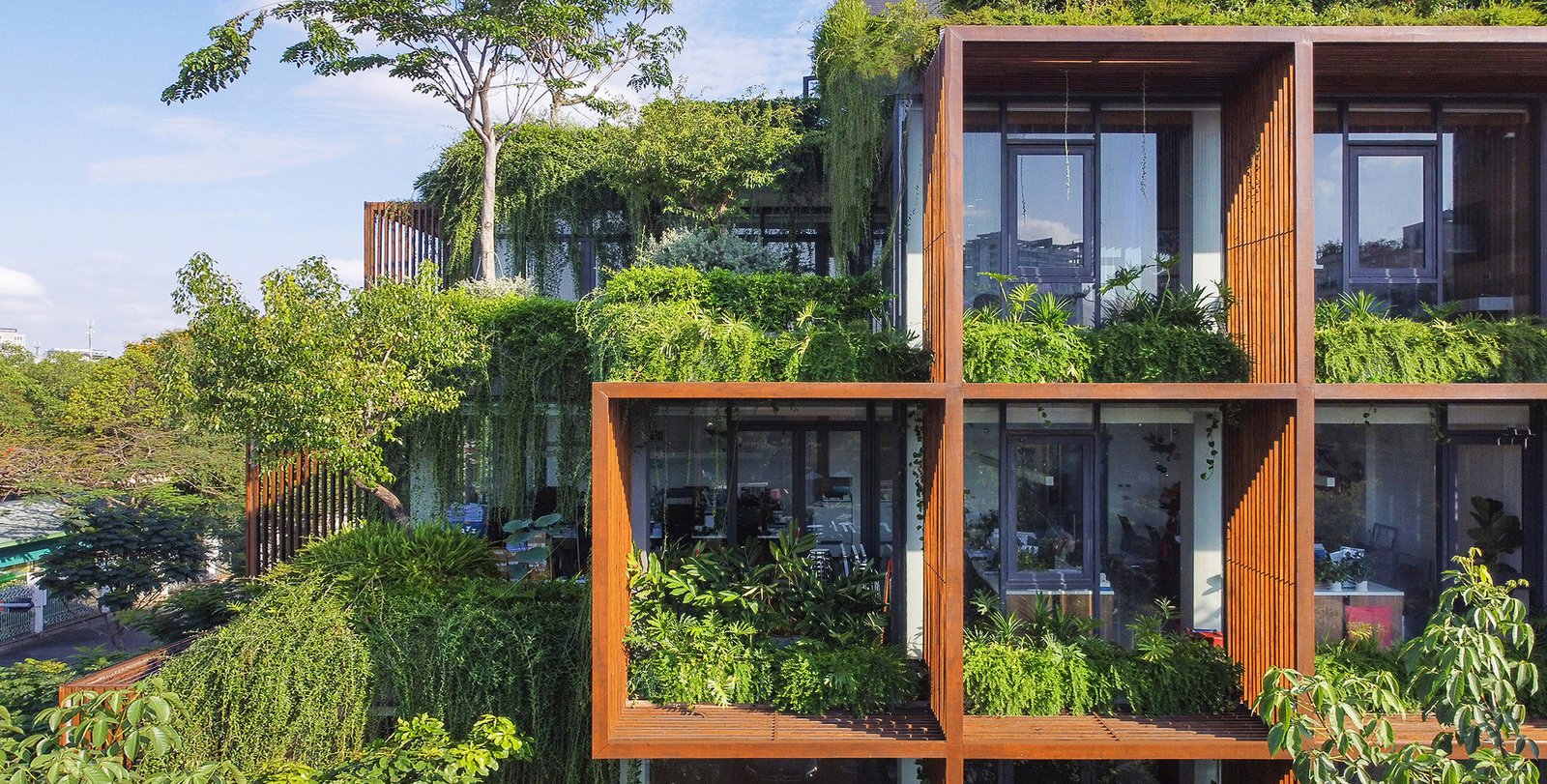
Future-Proofing Our Cities: Why Sustainable Architecture Is Imperative
In an era of sustainable architecture defined by rapid urbanization and a worsening climate crisis, conventional concrete-and-steel towers are no longer just a matter of architectural fashion — they’re a liability. With the world’s urban population swelling and global temperatures rising, we simply cannot afford infrastructure that guzzles energy, wastes water, and exacerbates environmental stress. This is where sustainable architecture — or what many call “eco-efficient infrastructure” — becomes an urgent necessity, not a luxury.
But let’s be clear: this isn’t about tacking a few plants onto a balcony or slapping solar panels on a roof. It’s about rethinking the very lifecycle of a building — from raw materials and construction to daily operation, resource use, and eventual demolition or refurbishment. It’s about designing structures that minimize environmental impact, maximize human comfort, and deliver solid economic returns over decades. In this whitepaper-style blog, we’ll explore why such forward-looking construction is no longer optional — it’s essential.
1. The Environmental Imperative
Urbanization + Climate Pressure = A Perfect Storm
Cities are growing — fast. As more people migrate to urban centers, building more housing, offices, and infrastructure becomes inevitable. But conventional construction (cement, steel, glass façades) comes with a heavy environmental toll. The manufacturing of cement alone is among the top contributors to global CO₂ emissions. In addition, dense, dark, heat-absorbing buildings contribute to the Urban Heat Island effect, raising local temperatures and increasing demand for air-conditioning — creating a vicious feedback loop of energy use and carbon output.
-
Concrete & Steel Emissions: The production of cement and steel for construction is responsible for a substantial fraction of global greenhouse-gas emissions. [Insert Stat: Percentage of global emissions from construction]
-
Urban Heat Islands: Cities with unchecked concrete sprawl can run several degrees hotter than surrounding rural zones, increasing cooling needs and stressing electricity networks.
By embracing sustainable design — including reflective surfaces, passive cooling, natural ventilation, and green spaces — new constructions can reduce heat absorption, cut energy demand, and lower embodied carbon from the outset.
Lifecycle Impact: From Raw Materials to Demolition
Traditional buildings impose environmental costs not just in operation, but from cradle to grave:
-
Material extraction and processing consume energy and deplete natural resources.
-
Construction waste often ends up in landfills.
-
Operational emissions over decades can dwarf initial embodied emissions.
-
At end-of-life, demolition and disposal contribute further pollution.
Sustainable architecture seeks to minimize all phases of this lifecycle. By opting for low-carbon materials, recyclable components, and adaptive reuse, such buildings dramatically reduce cumulative environmental impact.
2. The Economic Case (The “Green Premium”)
CapEx vs. OpEx: The Long-Term Investment
One of the most common objections to eco-efficient infrastructure is the perception of higher upfront cost — what many call the “green premium.” It’s true that integrating advanced materials, renewable systems, and water-reuse mechanisms can elevate the initial capital expense compared to traditional builds. But this view misses the bigger picture.
-
Operational Savings: Efficient insulation, renewable energy, smart HVAC systems, and water recycling can lower utility bills significantly — often by 30–60% depending on design and location. Over a 20–50 year lifespan, those savings accumulate to values that can match or exceed the additional CapEx.
-
Maintenance & Resilience: Sustainable materials and smarter systems often require less upkeep, reducing long-term maintenance costs.
-
Regulatory & Carbon Costs: As governments worldwide tighten emissions standards or impose carbon taxes, energy-hungry buildings may face rising operating costs or compliance expenses — while energy-efficient buildings stay ahead.
-
Occupancy & Asset Value: Green buildings often command higher rental or resale values — thanks to lower operating costs, healthier indoor environments, and growing demand from conscious tenants and investors.
In short: The so-called “green premium” can pay for itself many times over, especially when viewed across decades — making sustainable design a smart long-term investment rather than a cost burden.
Case Study (Hypothetical):
Imagine a 20-story commercial building in a hot, densely populated city. Upfront, eco-efficient materials and solar + water-recycling systems add 8% to CapEx. But over 25 years:
-
Utility bills drop by 50%.
-
Maintenance costs fall by 20%.
-
Occupancy remains high due to indoor comfort and lower utility bills.
-
The break-even point arrives in roughly a decade, after which savings accrue as pure profit and value retention.
For investors and developers, that’s a compelling business case.
3. Core Technologies & Materials for Sustainable Structures
Let’s dive into the backbone of modern eco-efficient construction — the technologies and materials that make it possible.
Smart Glass & Advanced Insulation
-
Electrochromic or photochromic glass: These “smart windows” can change their opacity or reflectivity based on sunlight intensity. During peak sun, they reduce heat ingress and glare; when light dims, they allow natural light in — reducing the need for artificial lighting and HVAC load.
-
High-performance insulation: Rather than standard fiberglass or foam, modern builds often use advanced materials (e.g., vacuum-insulated panels, aerogel-based products, recycled denim insulation) to minimize heat transfer — keeping interiors cooler in summer and warmer in winter.
-
Thermal break systems in frames: Window and door frames designed with thermal breaks prevent heat conduction, reducing energy losses.
These combined measures can drastically cut cooling and heating loads, which typically account for the largest portion of a building’s energy budget.
Renewable Integration: Solar, Wind & On-site Generation
-
Solar photovoltaics (PV): Rooftop or façade-integrated PV panels can offset a substantial proportion of a building’s electricity demand. For many structures, solar energy can cover 30–80% of daytime loads, especially in sunny regions.
-
Solar thermal systems: For hot water needs (bathrooms, kitchens), solar thermal collectors reduce reliance on electric or gas water heaters.
-
Small-scale wind (where feasible): In windy or coastal regions, micro-wind turbines — integrated into the building or on-site — can complement solar energy.
-
Battery storage & grid-tie systems: Combined with PV, lithium-ion (or newer) battery systems store excess generation for use during peak hours, reducing grid dependence or demand-charge costs.
Smart energy management systems (EMS) then coordinate when to draw from solar, when to draw from the grid, and when to store energy — optimizing cost and emissions.
Water Conservation: Rainwater Harvesting & Greywater Recycling
Water scarcity is becoming a critical constraint for many urban areas. Sustainable buildings tackle this head-on:
-
Rainwater harvesting: Capturing rain from roofs or terraces for non-potable use (flushing toilets, irrigation, HVAC condenser makeup water). In high-rainfall zones or seasonal deluge areas, this can cover a large fraction of non-potable water demand.
-
Greywater recycling: Water from lavatories, sinks, and showers is treated on-site and reused for flushing, irrigation, or cooling systems. This drastically cuts freshwater demand.
-
Low-flow fixtures & sensor-based taps: Simple but effective — reducing water consumption without compromising user comfort.
Combined, these measures can reduce potable water demand by 30–60%, easing pressure on municipal supplies and lowering water bills.
Sustainable & Low-carbon Materials
Moving away from purely concrete-and-steel frames, many developers now employ:
-
Bamboo and engineered timber: Rapidly renewable, carbon-sequestering, and structurally strong when properly treated. Particularly suitable for low-to-mid-rise construction, interior elements, and finishes.
-
Recycled steel: Using scrap and recycled steel reduces embodied carbon compared to virgin steel.
-
Rammed earth, compressed earth blocks, and stabilised earth: Traditional materials reimagined — offering excellent thermal stability, low embodied energy, and natural humidity regulation, ideal for certain climates.
-
Recycled or reclaimed materials: From reclaimed wood floors to recycled glass countertops — every reused component reduces demand for virgin materials and diverts waste from landfills.
-
Low-VOC paints and finishes: These contribute to better air quality and reduce chemical pollution during construction and operation.
By thoughtfully selecting materials, sustainable buildings reduce environmental impact, support local economies (especially when sourcing regionally), and often deliver superior durability and aesthetics.
4. The Human Element: Health, Comfort & Productivity
Beyond environmental and financial benefits, the human experience — occupants’ health, comfort, and well-being — is often the most compelling argument for sustainable design.
Biophilic Design & Connection to Nature
Biophilic design — integrating natural elements like daylight, indoor plants, natural materials, and water features — isn’t just aesthetic. Studies have shown:
-
Improved mental well-being, lower stress levels, and higher satisfaction among occupants.
-
Enhanced creativity and collaboration in office or shared spaces.
-
Better occupant retention in residential buildings, prolonging tenancy and reducing vacancy risk.
When people feel connected to nature, even in dense urban settings, comfort and morale improve significantly.
Indoor Air Quality (IAQ) and Cognitive Function
Conventional buildings often seal in pollutants — volatile organic compounds (VOCs), mold, dust, radon, formaldehyde, off-gassing from synthetic materials — leading to poor IAQ. Poor IAQ can trigger respiratory issues, fatigue, reduced focus, and long-term health problems.
Eco-efficient buildings mitigate these issues by:
-
Using low-VOC paints and materials.
-
Incorporating natural ventilation, heat-recovery ventilation systems, and fresh-air exchange.
-
Integrating indoor greenery and humidity-balanced environments.
Multiple studies link good IAQ with enhanced cognitive performance, faster recovery from illness, fewer sick days, and increased productivity. For businesses and investors, this translates to tangible returns — in employee performance, lower healthcare costs, and overall asset value.
5. Standards & Certifications: Establishing Credibility
Adopting sustainable design is easier when guided by recognized frameworks. Some of the prominent standards worldwide:
-
LEED (Leadership in Energy and Environmental Design): Perhaps the most widely known — evaluates site sustainability, water savings, energy efficiency, materials & resources, and indoor environmental quality.
-
BREEAM (Building Research Establishment Environmental Assessment Method): Originating in the UK, covers similar categories but includes broader considerations like ecology, land use, and cultural value.
-
GRIHA (Green Rating for Integrated Habitat Assessment): Developed for Indian contexts, integrating local needs like water scarcity, climate, occupant behavior, and resource constraints.
Adhering to such standards does more than provide a certification badge; it ensures methodological rigor, transparency in performance, and global recognition — important for investors, regulatory compliance, and future resale or lease value.
6. Overcoming Common Objections & Challenges
Perceived Cost and Risk
-
While initial costs may be higher, long-term savings (energy, water, maintenance) plus higher asset value often justify the investment.
-
Risk mitigation comes via well-established design principles, modular technologies (e.g., solar kits, smart glass retrofits), and tried-and-tested materials.
Regulatory and Local Constraints
-
In many regions, building codes don’t yet mandate sustainability — but investor demand, tenant preference, and rising energy costs drive adoption.
-
Local supply-chain limitations for eco-materials can be offset by sourcing regional materials (rammed earth, bamboo, recycled steel) or promoting local manufacturing — offering cost benefits and supporting local economies.
Behavior & Usage Patterns
Sustainable design delivers best results only if occupants use buildings responsibly (close windows when HVAC is on, manage water usage, operate systems correctly). Building management and tenant education are thus vital.
Conclusion: A Time for Vision, Not Just Construction
The path forward is clear. As cities expand, resources shrink, and environmental stress mounts — sticking with outdated, resource-hungry building practices is a gamble we cannot afford. Sustainable architecture, smart engineering, and resource-conscious materials represent a strategic investment in resilience, efficiency, and human well-being.
The shift is no longer about aesthetics or goodwill — it’s about survival, responsibility, and long-term value. For investors, developers, policymakers, and communities alike, the message is simple: eco-efficient, future-ready infrastructure isn’t an option. It’s a necessity.
“Sustainability is no longer a moral choice — it’s an engineering necessity. The buildings we design today will dictate the climate we inherit tomorrow.”
Read More on Sustainable Architecture on Wikipedia:- https://en.wikipedia.org/wiki/Sustainable_architecture
— Dr. A.K. Mehra, Environmental Engineer & Advisor, India Green Building Council (IGBC)
Frequently Asked Questions (FAQ)
Q1: Are eco-efficient buildings always more expensive to build?
A: Not necessarily. While certain technologies (like smart glass or renewable integration) may raise upfront costs, sustainable designs using locally available materials (e.g., bamboo, rammed earth), passive architecture, and efficient planning can be cost-competitive. Over the building’s lifecycle, energy savings, reduced maintenance, and higher occupancy often offset — or exceed — any initial premium.
Q2: Do sustainable designs really save that much energy or water?
A: Yes. With features like high-performance insulation, efficient glazing, renewable energy systems, rainwater harvesting, greywater recycling, and low-flow fixtures — many buildings can cut energy consumption by 30–60% and reduce potable water demand by a similar margin compared to conventional structures. Actual savings depend on climate, usage patterns, and system design.
Q3: Can eco-efficient construction work in hot, arid climates (e.g., deserts)?
A: Absolutely. In fact, sustainable design principles (passive cooling, thermal mass materials like rammed earth, reflective coatings, shade design, water recycling) are particularly effective in arid zones. Integrating solar PV — abundant in sunny regions — further enhances energy savings, making such buildings ideal for desert or semi-arid climates.
Q4: How do certifications like LEED, BREEAM, or GRIHA help?
A: Certifications provide standardised criteria and benchmarking — ensuring that a building truly meets sustainability, energy efficiency, water conservation, and indoor-environment standards. This builds credibility for investors, tenants, regulators, and helps in long-term monitoring, maintenance, and resale or leasing.
Q5: Will sustainable buildings remain valuable in the future as technology evolves?
A: Yes — because sustainable architecture is based on adaptability, efficiency, and resilience, not just current tech. As energy costs rise, regulations tighten, and environmental stress increases, buildings designed with resource-conservation, flexibility, and future-proofing will remain relevant, valuable, and likely more desirable than conventional alternatives.
https://infranoxglobalsolutions.com/green-buildings-bim-mepf-blog/