



Introduction: Why Sustainable Construction Is No Longer Optional
The construction sector is undergoing a fundamental shift. With buildings responsible for a significant share of global energy consumption and carbon emissions, the pressure to design and deliver environmentally responsible infrastructure has never been greater. Governments, investors, occupiers, and regulators are now aligned on one expectation: buildings must perform better—environmentally, economically, and socially.
Sustainable construction addresses this challenge by redefining how buildings are planned, built, and operated. Rather than focusing only on upfront costs, it prioritizes long-term efficiency, resilience, and measurable environmental impact—making it a strategic necessity rather than a trend.
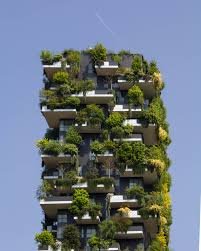
What Is Sustainable Construction?
Sustainable construction is a holistic approach to the built environment that minimizes environmental impact while maximizing long-term value across the entire building lifecycle—from concept and design to operation and eventual decommissioning.
It integrates:
-
Energy and water efficiency
-
Low-carbon and responsible material selection
-
Waste reduction and circular design principles
-
Healthy indoor environments
-
Smart technologies for performance monitoring
Green buildings created through this approach are not just environmentally responsible; they are future-ready assets.
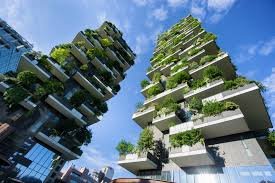
Why Sustainable Construction Matters
1. Long-Term Cost Efficiency
Energy-efficient systems, optimized envelopes, and smart controls significantly reduce operating expenses over a building’s life.
2. Stronger Asset Performance
High-performing buildings attract premium tenants, improve occupancy rates, and maintain higher asset value.
3. Regulatory and ESG Alignment
Environmental regulations and ESG disclosures are tightening globally. Sustainable buildings help organizations stay compliant and investor-ready.
4. Occupant Health and Productivity
Improved indoor air quality, thermal comfort, and daylighting have a direct impact on occupant well-being and performance.
5. Climate Resilience
Buildings designed with sustainability in mind are better equipped to withstand climate-related risks such as heat stress, water scarcity, and energy volatility.
Core Elements of Sustainable Construction
Integrated Design and Early Planning
Most environmental impacts are locked in during the early design stage. Integrated planning ensures sustainability goals align with cost, performance, and constructability.
Passive Design Strategies
-
Climate-responsive orientation
-
High-performance building envelopes
-
Solar shading and natural ventilation
-
Daylight optimization
These strategies reduce energy demand before mechanical systems are introduced.
Energy-Efficient and Smart Systems
-
High-efficiency HVAC and lighting
-
Smart meters and Building Management Systems (BMS)
-
IoT-enabled monitoring and analytics
👉 Internal linking opportunity: smart building solutions
Low-Impact Materials and Embodied Carbon Reduction
-
Low-carbon concrete and steel
-
Recycled and locally sourced materials
-
Use of Environmental Product Declarations (EPDs)
-
Design for durability and adaptability
Water and Waste Management
-
Rainwater harvesting and reuse
-
Efficient plumbing systems
-
Construction and operational waste diversion
Sustainable Construction in India: Context and Opportunity
India’s rapid urban growth makes sustainable construction especially critical. With diverse climate zones and rising resource demand, building efficiency directly impacts long-term environmental and economic stability.
Key drivers in India include:
-
IGBC and GRIHA green building frameworks
-
Increasing energy and water costs
-
ESG-driven investment decisions
-
National focus on energy efficiency and decarbonization
Organizations such as Infranox Global Solutions support this transition by combining sustainability strategy with smart infrastructure and performance-driven execution tailored to Indian conditions.
👉 Internal linking opportunity: ESG and sustainability consulting
A Practical Roadmap for Sustainable Construction
Step 1: Define Clear Sustainability Targets
Set measurable goals related to energy use, carbon reduction, water efficiency, and certification pathways.
Step 2: Conduct Early Assessments
-
Energy and daylight simulations
-
Lifecycle cost analysis
-
Whole-building carbon assessments
👉 Internal linking opportunity: energy audits and carbon footprinting
Step 3: Design and Procurement Integration
Ensure sustainability requirements are embedded in design specifications and vendor contracts.
Step 4: Responsible Construction Practices
-
Site environmental management
-
Waste tracking and segregation
-
Resource monitoring during construction
Step 5: Commissioning and Performance Monitoring
Commission systems thoroughly and implement continuous monitoring to ensure performance matches design intent.
Measuring Success: Key Performance Metrics
Effective sustainable construction relies on data-backed measurement, including:
-
Energy Use Intensity (EUI)
-
Operational and embodied carbon emissions
-
Water consumption intensity
-
Waste diversion rates
-
Indoor air quality indicators
These metrics align with globally recognized frameworks such as LEED, GRIHA, and guidance from the World Green Building Council.
(Outbound authority references: LEED, GRIHA, World Green Building Council)
Challenges and Practical Solutions
Higher Perceived Upfront Costs
Solution: Lifecycle cost analysis consistently shows long-term savings and risk reduction.
Limited Technical Expertise
Solution: Engage sustainability and smart building specialists early in the project lifecycle.
Performance Gaps After Handover
Solution: Continuous commissioning, smart monitoring, and data-driven operations.
Frequently Asked Questions (FAQs)
What does sustainable construction mean in practice?
It means designing and operating buildings that use fewer resources, emit less carbon, and deliver better long-term performance.
Is sustainable construction only for new buildings?
No. Existing buildings can achieve significant improvements through targeted retrofits and smart upgrades.
Which green building standards are relevant in India?
IGBC and GRIHA are widely adopted, alongside international systems like LEED and WELL.
How is building sustainability measured?
Through energy, carbon, water, waste, and indoor environmental quality metrics supported by continuous monitoring.
Conclusion: Turning Sustainability into Measurable Performance
Sustainable construction is about more than environmental responsibility—it is about building assets that perform better, last longer, and remain resilient in a changing world. When sustainability is integrated from design to operation, buildings deliver measurable value for owners, occupants, and communities.
By combining sustainability expertise, smart building technologies, and data-driven execution, Infranox Global Solutions helps organizations move from sustainability ambition to real-world impact.
📞 Contact Us
To plan, design, or optimize high-performance green buildings and sustainable infrastructure, connect with Infranox Global Solutions.
📧 Email: info@infranoxglobalsolutions.com
Let’s build infrastructure that is intelligent, efficient, and future-ready.
10 Precautions You Should Take Before Sustainable Construction
Sustainable Building Materials: perfect Innovations for Eco-Friendly Construction-2025