


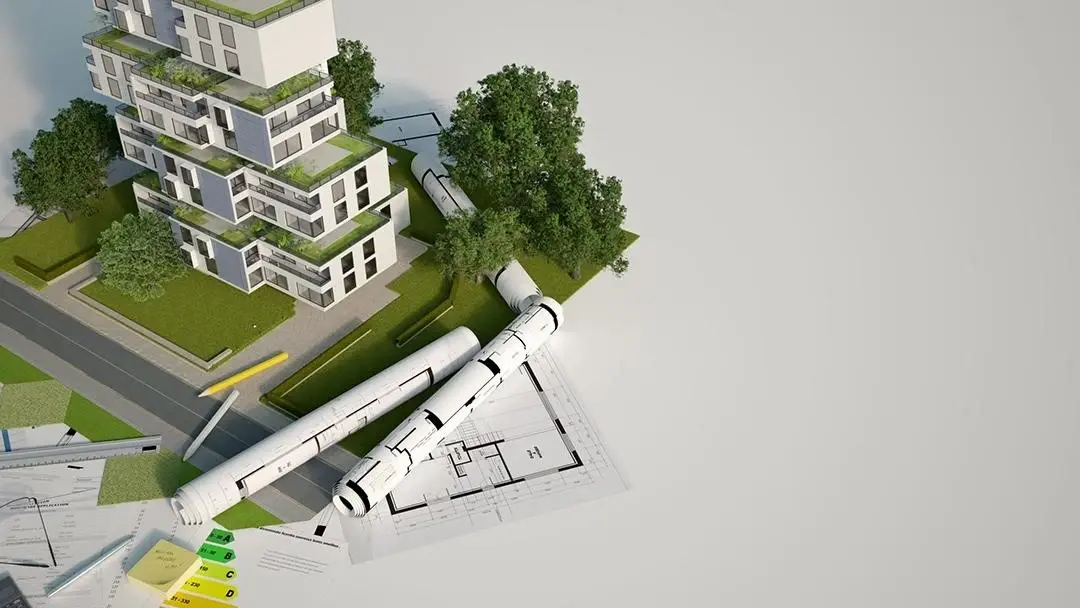
In the face of mounting environmental concerns, sustainable building materials offer a beacon of hope for a greener, more resilient futurecapitalforest.com. The construction sector alone consumes roughly 75% of industrial raw materials and about 25% of global energynrel.gov, and typical materials (concrete, steel, insulation) generate nearly 11% of global greenhouse gas emissionsrmi.org. By contrast, eco-friendly alternatives dramatically cut that footprint early in a building’s life. Leading firms like Infranox Global Solutions blend technology and green design to incorporate low-carbon, recyclable materials, setting a high bar for sustainable construction.
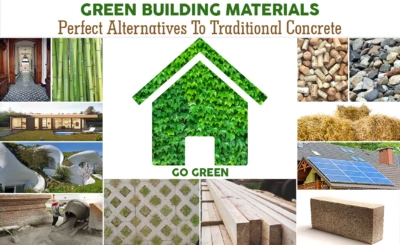
What Are Sustainable Building Materials?
Sustainable building materials are defined by their minimal environmental impact throughout the product’s lifecyclecapitalforest.com. They help create buildings that are energy-efficient, low-carbon and healthy to occupy. Key criteria include high energy efficiency (superior insulation), recyclability/renewability, low embodied carbon in production, and durabilitycapitalforest.comcapitalforest.com. For example:
-
Energy efficiency: Materials with high R-values or insulating properties cut heating/cooling demandcapitalforest.com.
-
Recyclability/Renewability: Substances like recycled steel or bamboo (a rapidly renewable wood) conserve resourcescapitalforest.comcemexventures.com.
-
Low environmental impact: The manufacturing process should use clean energy and minimize pollutioncapitalforest.com.
-
Durability: Long-lasting materials (e.g. terrazzo flooring made from recycled glass) reduce waste and replacement cyclescemexventures.com.
Materials that meet these standards include reclaimed wood, recycled steel/glass, bamboo, cork, rammed earth, and even innovative composites. For instance, fast-growing bamboo is a strong hardwood substitutecemexventures.com, and recycled steel provides the same strength as new steel but with far lower CO₂ emissionscemexventures.com. Each example shows how sustainability can be built into the material itself.
Why Sustainable Materials Matter
Choosing the right materials has outsized benefits. Since buildings use vast amounts of resources, even small improvements yield big gainsnrel.govrmi.org. Sustainable materials dramatically reduce a project’s carbon footprint (often at the most carbon-intensive stage of material production) and improve energy performance and occupant health. For example, green insulations tend to have lower VOCs and often outperform conventional options — recycled denim insulation, for instance, has a higher R-value than fiberglass and repurposes textile wastetheenvironmentalblog.org. Over the long term, these materials can also save money and increase resale value. Studies show that green buildings enjoy long-term cost savings (less energy and maintenance) as well as healthier indoor environmentscapitalforest.com.
Innovative Materials and Technologies
The range of sustainable building materials keeps expanding. Bio-based materials are particularly promising. Hempcrete (hemp fibers mixed with lime) is carbon-negative, because it absorbs CO₂ as it curescemexventures.com. Cork — harvested from the regrowth of cork tree bark — provides excellent insulation and fire resistancecemexventures.com. Mycelium (the root-like network of fungi) can be grown into panels that are lightweight, water-resistant and fireproofcemexventures.com. These plant-based solutions are renewable and often biodegradable, helping buildings tread lightly on the environment.
Other breakthroughs reuse waste and byproducts. Recycled plastic can be molded into lumber, bricks or wall panels, reducing landfill wastecemexventures.com. Recycled steel (nearly as strong as new) cuts carbon emissions because steel is endlessly recyclablecemexventures.com. Even flooring materials go green: terrazzo mixes marble, glass and stone waste in a cement base, producing durable, unique floors that require far less new raw materialcemexventures.com.
Global and Indian Context
Globally, cities and policymakers are prioritizing green construction. The World Economic Forum notes that shifting to locally-sourced and recycled materials can drastically reduce buildings’ carbon emissionsweforum.org. In India, this trend is accelerating. The country’s green building materials market was about $13.9 billion in 2024 and is projected to reach $39.0 billion by 2033 (≈11.3% CAGR)imarcgroup.com. Indian developers are rapidly adopting energy-efficient materials — insulated panels, AAC blocks, high-performance glass and more — to meet skyrocketing demand for eco-friendly real estate. Government policies and standards (e.g. India’s NBC, GRIHA and IGBC certifications) are now encouraging recycled concrete, fly-ash bricks, and other alternative materialsimarcgroup.com. All of these factors are driving innovation: Infranox Global Solutions works with projects nationwide to integrate passive solar design, green certifications, and cutting-edge materials that align with India’s climate goals.
Implementing Sustainable Materials (Practical Steps)

Construction teams typically follow these steps to use sustainable materials effectively:
-
Set Sustainability Goals: Define targets (e.g. LEED/IGBC certification, net-zero carbon).
-
Assess Current Materials: Use Life Cycle Assessment (LCA) tools and Environmental Product Declarations (EPDs) to quantify each material’s impactrmi.org.
-
Design Integration: Involve architects/engineers early, using building models and energy simulations to select the best materials and passive strategies.
-
Source and Procure: Choose certified green products (e.g. FSC wood, recycled-content concrete, low-VOC paints). Favor local suppliers to cut transport emissions.
-
Construction Management: Use waste-reduction methods (prefab components, on-site recycling, modular framing). Sort and recycle construction waste diligently.
-
Performance Monitoring: After construction, install smart meters and sensors to verify energy/water savings and indoor quality. This feedback helps fine-tune building operations.
By following this practical approach — often with support from green building consultants — projects can ensure that every material contributes to sustainability goals without compromising on budget or schedule.
Challenges and Solutions
Adopting sustainable materials does present challenges, but solutions exist:
-
Upfront Cost vs. ROI: Some eco-friendly materials cost a bit more initially. However, research shows green buildings are typically only about 1–2% more expensive to buildlargeformat.hp.com, and the modest premium pays off through 14–19% lower energy costs over timelargeformat.hp.com. Additionally, government incentives, bulk procurement, and growing demand are driving prices down.
-
Supply and Standards: Innovative materials may have limited availability or lack standardized codes. This is changing: industry coalitions and PPPs are creating markets for recycled and low-carbon productsweforum.org. As demand rises, manufacturers are scaling up production of sustainable materials (e.g. greener cement blends, recycled content panels).
-
Knowledge Gap: Many builders and owners are still learning about green materials. This is addressed through education (training, case studies) and by working with specialists. Rating systems (IGBC, GRIHA, LEED) also provide guidelines on approved products and practices. Infranox Global Solutions, for example, brings technical expertise and digital modeling to help project teams select and validate the right materials for their needs.
-
Performance and Perception: Clients may worry that green materials are less durable or less available. In reality, many have been proven equal or superior to traditional materials (e.g. recycled steel is as strong as new steelcemexventures.com). Rigorous testing and certification ensure safety. Over time, as green building becomes standard, these concerns continue to diminish.
Measuring Impact and Quality
Quantifying sustainability is key to demonstrating success. Common metrics and tools include:
-
Embodied Carbon (LCA): Life Cycle Assessment quantifies the total CO₂ emissions of a material from extraction to disposalrmi.org. Architects use these figures to compare options.
-
Environmental Product Declarations (EPDs): Third-party verified “nutrition labels” for materials that disclose impacts (global warming potential, toxicity, resource use) in a standardized wayrmi.org. EPDs enable transparent comparisons between products.
-
Green Building Certification: Systems like LEED, IGBC and GRIHA award points for recycled content, local sourcing and low-emission materials. Achieving certification itself often drives material choices.
-
Energy & Water Ratings: National energy ratings (e.g. India’s star-rating for buildings, appliance standards) indirectly reflect material performance (insulation, efficiency). Monitoring actual energy use post-construction provides feedback on whether materials and systems are working as intended.
By tracking these metrics and pursuing certifications, building teams can ensure materials deliver the intended environmental and health benefits.
FAQs
Q: What qualifies as a sustainable building material?
A: It’s any construction material chosen for its low impact on people and planet. Such materials minimize resource use and pollution in production and use. They often come from renewable or recycled sources. For example, bamboo, reclaimed wood, fly-ash bricks, recycled steel and cork all qualify because they store carbon or reuse wastecemexventures.comcemexventures.com.
Q: Why should I use sustainable materials?
A: Sustainable materials dramatically cut a building’s carbon footprint and can improve energy efficiency and indoor air quality. Since building materials produce ~11% of global emissionsrmi.org, choosing green alternatives is one of the quickest ways to fight climate change. Plus, sustainable buildings consume less energy and water, yielding significant savings (often 14–19% operational cost reductionlargeformat.hp.com) and better well-being for occupants.
Q: Can eco-friendly materials match traditional ones?
A: Yes. Many sustainable materials meet or exceed conventional standards. For instance, engineered wood products and recycled steel are tested to the same safety standards as their traditional counterpartsnrel.govcemexventures.com. Innovations like high-strength bamboo, hempcrete and mycelium composites have proven structural performance while storing carbon. Proper design ensures green materials deliver required strength, fire resistance and durability.
Q: Do sustainable materials increase construction costs?
A: Generally, they carry only a small premium. Industry studies find that green construction is only about 1–2% more expensive upfrontlargeformat.hp.com. Importantly, this small extra cost is recouped through lower energy and maintenance bills over the building’s life. Many green technologies also become cheaper over time. In practice, the long-term ROI of sustainable materials is often higher than standard optionslargeformat.hp.com.
Q: How do I find sustainable materials for my project?
A: Start by looking for certifications and labels. For example, select FSC-certified wood, ENERGY STAR-rated products, or materials with verified EPDs. Check green building council resources (IGBC, GRIHA, etc.) for approved products and suppliers. Consulting with experts helps too: firms like Infranox Global Solutions use digital tools (BIM, LCA software) to evaluate material options and guide procurement of innovative, regionally-available green materials.
Conclusion
Sustainable building materials are reshaping construction by enabling eco-friendly, cost-effective buildings. By combining natural resources (bamboo, timber), recycling waste (steel, plastic, glass), and embracing smart design (prefab systems, IoT monitoring), we can build high-performance structures that benefit both occupants and the planet. This shift is not just possible — it’s imperative. Companies like Infranox Global Solutions are leading the way, helping developers integrate green materials and smart technologies. For organizations aiming to meet net-zero goals and green certifications, partnering with experts like Infranox ensures projects use the right sustainable materials effectively while maximizing efficiency and return on investment.
Read More of our blogs
Sustainable Construction — A Practical Guide for Decision-Makers-2025
Net Zero Building — The Best Guide to Designing, Building, and Operating Zero-Carbon Buildings-2025