



What Is India’s Green Building Movement in 2025?
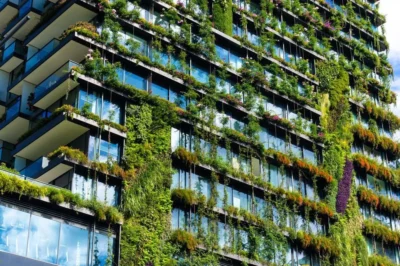
India’s green building movement refers to the collective adoption of energy-efficient, resource-optimized, climate-responsive, and low-carbon building practices across residential, commercial, institutional, and infrastructure sectors.
In 2025, this movement goes beyond traditional certification checklists. It emphasizes:
-
Whole-life carbon performance
-
Climate resilience and adaptation
-
Digital design and performance simulation
-
Integration of renewable energy and smart systems
-
Measurable environmental, social, and economic outcomes
Green buildings today are evaluated not just on intent, but on verified performance across their lifecycle.
Why the Green Building Movement Matters More Than Ever
The urgency behind green buildings in India is driven by structural realities rather than trends.
1. Climate and Energy Pressure
Buildings account for a significant share of India’s electricity demand and indirect emissions. Rising temperatures, heatwaves, and peak cooling loads are stressing urban energy systems. Green buildings directly address this through passive design, efficient envelopes, and optimized systems.
2. Water and Resource Scarcity
Urban India faces chronic water stress. Sustainable buildings incorporate water-efficient fixtures, rainwater harvesting, wastewater recycling, and demand management, reducing long-term operational risks.
3. Regulatory and Market Alignment
Policies such as ECBC, state-level green mandates, and ESG-linked financing are making sustainability a compliance and investment requirement rather than a voluntary choice.
4. Occupant Health and Productivity
Post-pandemic, indoor environmental quality—daylight, ventilation, thermal comfort, and air quality—has become a decisive factor in building value and user satisfaction.
Key Trends Shaping India’s Green Building Evolution in 2025
Performance Over Paper Compliance
The market is moving away from “design-stage certification only” toward measured, operational performance. Energy use intensity (EUI), water balance, and carbon metrics are increasingly tracked post-occupancy.
Digital-First Sustainability
Technologies such as BIM, digital twins, energy modelling, and performance simulation are now central to green building delivery. These tools allow teams to test scenarios, optimize systems, and reduce costly design revisions early.
Net-Zero and Low-Carbon Pathways
Net-zero energy and net-zero carbon buildings are gaining traction, particularly in corporate campuses, data centres, and public-sector projects. The focus is on reducing demand first, then meeting residual needs with renewables.
Integration of Smart Building Systems
IoT-enabled monitoring, automated controls, and analytics are improving operational efficiency and enabling continuous commissioning throughout a building’s life.
Green Building Technologies and Components Driving Change
India’s green buildings in 2025 rely on a combination of passive strategies, efficient systems, and intelligent controls.
High-Performance Building Envelopes
Improved insulation, high-performance glazing, shading devices, and reflective materials significantly reduce cooling loads.
Efficient HVAC and Lighting Systems
Variable refrigerant flow (VRF), high-efficiency chillers, heat recovery systems, LED lighting, and daylight controls are now standard in green developments.
Renewable Energy Integration
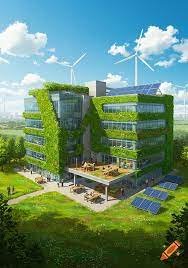
On-site solar PV, building-integrated photovoltaics (BIPV), and hybrid renewable systems are increasingly paired with energy storage solutions.
Water-Sensitive Design
Low-flow fixtures, dual plumbing, rainwater harvesting, and decentralized treatment systems help buildings operate within local water constraints.
India-Specific Context: Policy, Market, and Urban Reality
India’s green building movement is shaped by unique national factors.
Policy and Codes
Frameworks such as ECBC, state green building policies, municipal incentives, and national climate commitments are accelerating adoption across cities.
Diverse Climatic Zones
From hot-dry to warm-humid and composite climates, India demands climate-responsive design rather than one-size-fits-all solutions.
Cost Sensitivity and Scale
The challenge is not whether green buildings are viable, but how to deliver them at scale without cost escalation. Integrated design and early-stage optimization play a critical role here.
A Practical Approach to Green Building Delivery in 2025
Successful green projects follow a structured, lifecycle-based approach:
-
Early Sustainability Goal Setting
Define energy, water, carbon, and comfort targets at the concept stage. -
Integrated Design and Digital Modelling
Use BIM and performance simulations to align architecture, structure, and MEP systems. -
Material and System Optimization
Balance embodied carbon, durability, and cost while selecting materials and technologies. -
Construction Quality and Commissioning
Ensure design intent is executed correctly through testing and commissioning. -
Operational Monitoring and Improvement
Track real performance and continuously optimize systems post-occupancy.
Organizations such as Infranox Global Solutions support this end-to-end process by combining engineering expertise, digital modelling, and sustainability advisory to ensure outcomes match intent.
Challenges Slowing the Green Building Transition
Despite progress, several barriers remain.
Knowledge and Skill Gaps
Many projects still treat sustainability as a late-stage checklist rather than an integrated design discipline.
Fragmented Project Delivery
Lack of coordination between stakeholders often leads to missed performance opportunities.
Performance Gaps
Buildings sometimes fail to achieve expected savings due to operational inefficiencies or poor commissioning.
Solutions Driving the Next Phase of Growth
-
Capacity building and training for project teams
-
Integrated sustainability consultancy rather than isolated services
-
Data-driven decision-making supported by digital tools
-
Lifecycle-based evaluation instead of first-cost-only thinking
This is where experienced firms like Infranox Global Solutions play a critical role, helping clients translate sustainability goals into measurable, long-term value.
Measuring Success: Metrics That Matter
In 2025, green buildings are increasingly evaluated using clear, quantifiable indicators:
-
Energy Use Intensity (kWh/m²/year)
-
Operational and embodied carbon (tCO₂e)
-
Water consumption per occupant
-
Indoor environmental quality parameters
-
Lifecycle cost savings
These metrics ensure transparency, accountability, and continuous improvement.
Frequently Asked Questions (FAQs)
How is India’s green building movement different in 2025?
It has shifted from certification-focused projects to performance-driven, digitally enabled, and lifecycle-based sustainable buildings.
Are green buildings cost-effective in India?
Yes. While initial planning may be more detailed, operational savings, regulatory benefits, and asset value typically outweigh upfront investments.
Which sectors are leading green building adoption?
Commercial offices, IT parks, healthcare, institutional buildings, and increasingly residential and public infrastructure projects.
How can developers start with green building practices?
By setting sustainability goals early, engaging integrated consultants, and using digital tools for informed decision-making.
Read more on WikipediaConclusion: The Road Ahead for India’s Green Buildings
India’s green building movement in 2025 represents a structural transformation of the construction sector. Sustainability is no longer about symbolic gestures—it is about measurable performance, resilience, and long-term value creation.
As expectations rise from regulators, investors, and occupants, the demand for technically sound, digitally enabled, and climate-resilient buildings will only grow. Partnering with experienced organizations like Infranox Global Solutions enables developers, architects, and institutions to navigate this transition with confidence, ensuring projects that are efficient, compliant, and future-ready.